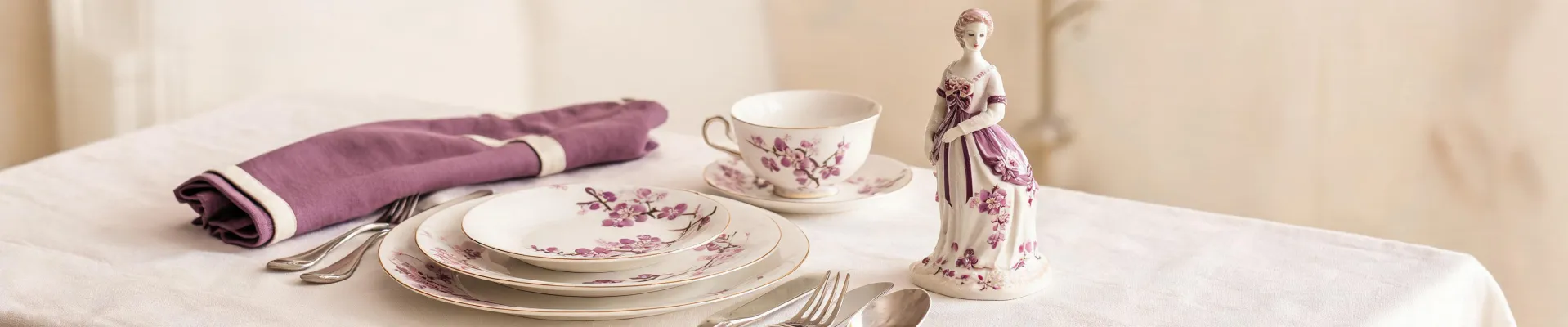
It started with a snow globe. A Royal Doulton “Breathtaking” snow globe, to be exact, sitting on a colleague’s desk during a Q3 budget review. She mentioned she’d inherited it and was thinking of selling it, which got me thinking: just how much are these things worth? And more importantly, how do you figure that out without getting taken for a ride?
As a procurement manager, I deal in numbers and total cost of ownership. I don’t buy things on impulse, and I certainly don’t buy them without understanding their real value. So, when I started looking into Royal Doulton figurines (and that snow globe) as potential corporate gifts or even personal investments, I went in with the same spreadsheet mentality I use for vendor negotiations. And honestly? I found more hidden costs and pitfalls than I expected.
My First Mistake: Assuming “Vintage” Equals “Valuable”
I knew I should have done more research before my first purchase (which, looking back, feels a bit embarrassing). A friend pointed me toward a local estate sale that had a bunch of Royal Doulton bone china figurines. I saw a “Bunnykins” piece and a couple of “HN” series figurines. I bought three of them for a total of $150, thinking, “This is a steal—I’ll flip these for a profit.”
That was the one time the “what are the odds?” mentality bit me. I didn’t check for chips, cracks, or restoration. I didn’t verify the pattern or the edition size. I just assumed “old” meant “rare.” (Spoiler: it doesn’t.) After tracking down a certified appraiser, I found out two of the three pieces were common patterns with significant wear. The total resale value? Maybe $60. I lost $90 on that deal—well, more if you count my time and the cost of professional photos I had taken for an online listing.
That $90 mistake taught me a lesson that applies to any collectible: value isn’t just about age; it’s about condition, rarity, provenance, and demand. You can’t skip the verification step just because you’re excited. Prevention beats correction every single time.
From Buyer to Collector: Understanding What Makes a Figurine “Worth It”
After that initial loss, I went back to my procurement roots. I spent about six weeks (yes, I tracked it) gathering data from auction results, collector forums, and a couple of certified appraisers. I built a simple checklist that I now use before I buy any collectible, whether it’s a glass figurine, a holiday figurine, or a limited-edition Royal Doulton piece.
Here‘s what I found out about Royal Doulton figurine value:
- Pattern and rarity matter more than age. A common “HN” series figurine from the 1950s might sell for $50-$100, while a rare limited edition from the 1990s could fetch $1,000+. The “Breathtaking” snow globe, for example, isn’t particularly rare unless it‘s a specific limited edition. As of January 2025, standard versions sell for $30-$80 in excellent condition (per USPS shipping rates, expect to pay $10-$15 to ship one safely).
- Condition is everything. A figurine with a hairline crack or a chip is worth 50-70% less than a mint-condition piece. Even slight “wear” to the gilding or paint drastically reduces value. I now use a 10x jeweler’s loupe for inspections.
- Original packaging adds 15-25% to the value. Box, certificate, and even the original tissue paper matter. I almost skipped checking for the certificate on a “Bone China Flowers” piece—that would have cost me about $40 in lost value.
- Provenance (history of ownership) can add a premium, especially for pieces with a documented history.
I went back and forth between collecting for personal enjoyment vs. building a curated resale portfolio for weeks. The “Breathtaking” snow globe vs. a limited-edition figurine? Ultimately, I chose to focus on pieces with a clear market demand and a documented production run, because (in my opinion) that’s where the total cost of ownership is lowest. Low demand equals low liquidity, which equals potential loss.
The Hidden Costs of “Collecting” (Not Just Buying)
If you’re considering buying Royal Doulton bone china flowers or a glass figurine as a corporate gift, be aware of the costs beyond the ticket price:
- Storage and display. Fine china needs a controlled environment. Dust, sunlight, and humidity are enemies. A locked curio cabinet with UV glass is a minimum. That’s an upfront cost of $200-$800.
- Insurance. If you’re building a collection worth more than $1,000, you should consider a rider on your homeowner’s policy. Standard policies often have low limits for collectibles.
- Authentication. Getting a piece certified by a reputable appraiser costs $50-$150 per item. But it’s often cheaper than the alternative: selling a fake or a damaged piece (which, under FTC guidelines, could be considered misleading if you don’t disclose the condition). Per FTC guidance on advertising and marketing, claims about a product’s condition must be truthful and substantiated.
- Shipping and handling. This is where I see most people get burned. A Royal Doulton figurine is fragile. Shipping it safely requires double-boxing, bubble wrap, and sometimes a custom foam insert. Per USPS (effective January 2025), a 5-pound package in a 12”x12” box costs about $15 to ship Priority Mail. Insurance adds another 2-3% of declared value. Don’t skip the insurance.
After tracking 12 orders over 6 months in my own “collection spreadSheet,” I found that shipping and insurance accounted for a staggering 18% of my total cost on items under $200. That’s a hidden cost that can eat into any potential resale profit, or even make it impossible to break even.
Should You Sell That “Breathtaking” Snow Globe?
If you’re asking yourself, “should you sell breathtaking snow globe” or any other Royal Doulton piece, my advice is: don’t rush. Here’s my 3-step checklist before you list anything:
- Verify. Check the backstamp, pattern number, and edition (if any). Use a trusted resource like Royal Doulton’s official site or a collector’s guide. Look up recent sold prices on auction sites (not just asking prices).
- Assess condition. Use a strong light and a magnifying glass. Look for cracks, chips, restoration (repainting), and wear to the gilding. Be brutally honest with yourself.
- Calculate your floor price. What is the minimum you’d accept after all fees? Auction houses take 15-25%. Online marketplaces take 10-15%. Shipping is $10-$20. If your net after fees is less than $50, it might be worth keeping for the joy of it.
I learned this the hard way. I had a holiday figurine that I wanted to sell. I almost listed it for $80 based on a vague memory of seeing one online. But after using my 3-step checklist, I realized it was a more common pattern, and the gilding was slightly worn. I listed it for $45, and it sold in a week. If I hadn‘t checked, I’d have been disappointed by the lack of interest and potentially wasted time on a listing that didn‘t move.
The Bottom Line
Royal Doulton figurines can be a beautiful addition to a home or a thoughtful corporate gift. But they are not a guaranteed investment. Treat them like any other procurement decision: do your research, understand the total cost of ownership (including the hidden ones), and never, ever skip the verification step. Five minutes of research beats five days of regret—or in my case, a $90 lesson I won't forget.
Disclaimer: This article reflects my personal experience as a buyer. Collecting and investing in fine china involves risk. Please consult a qualified appraiser for valuation advice. Prices and values mentioned are based on data available as of January 2025.