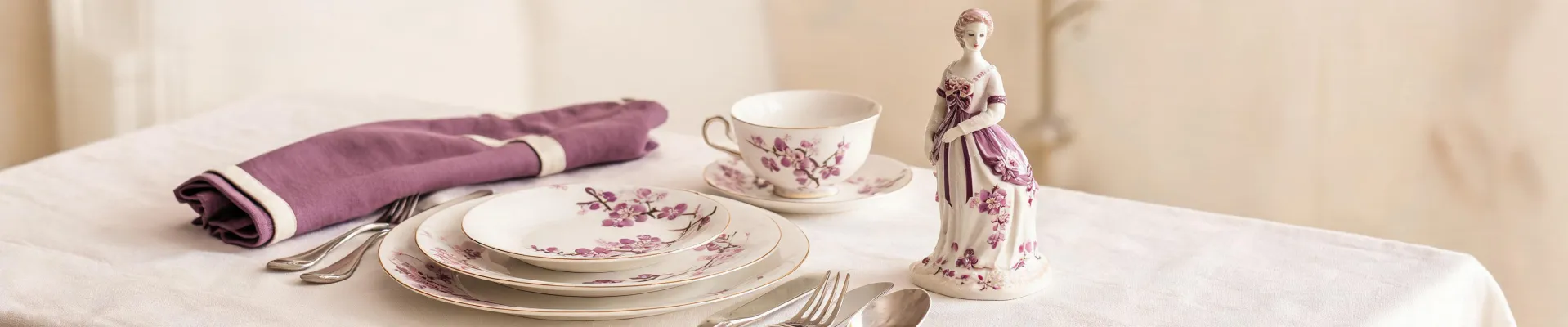
Is a Reed Diffuser Safe for Cats?
No, most reed diffusers are not safe for cats. When people type 'is reed diffuser safe for cats' into a search bar, they usually want a yes or no. My answer is no, not for most products. If you're buying or displaying Royal Doulton fine china, Royal Doulton vases, or a collectible figurine, this question matters more than you'd think. I've handled corporate gift and tabletop procurement orders for seven years. I've personally made and documented 14 significant mistakes, totaling roughly $12,000 in wasted budget. Now I maintain my team's checklist so others don't repeat my errors.
Here's the short version: essential oils commonly used in reed diffusers—eucalyptus, tea tree, clove, cinnamon, and citrus—are hard for cats to metabolize. When oil droplets settle on a cat's fur, the cat grooms and ingests them. The ASPCA lists many essential oils as toxic to cats. A diffuser can also be knocked over, and concentrated oil on paws is worse than a faint scent in the air.
The Biggest Risk in the Room Is the $20 Diffuser
When I first started procuring gifts for corporate clients, I assumed reed diffusers were harmless because they sat quietly on a shelf. They didn't look dangerous the way a candle or a plug-in heater does. I was wrong. The worst loss I watched was not a cat getting sick—it was a $360 Royal Doulton vase falling after a cat jumped to investigate the reeds. The vase shattered. The diffuser spilled. The cat was fine. The vase wasn't.
Here's the counterintuitive part: in a room full of Royal Doulton vases, fine china place settings, and collectible figurines, the item most likely to cause a loss is the $20 reed diffuser. It's the only object in the room that invites a cat to come closer.
Three Mistakes I Made So You Don't Have To
In my first year handling gift orders (2018), I approved a gift set that paired a Royal Doulton china figurine with a reed diffuser. The figurine arrived flawless. The diffuser leaked in transit, and the oil soaked into the box and card insert. The client didn't want to hand over a gift that smelled like a perfume counter. That order cost $480 to redo and set us back a week. Everyone with cats warned me. I didn't listen. I only believed the warning after that expensive redo.
Two years later, I displayed a Royal Doulton vase on a shelf directly above a diffuser. I didn't think about the cat. The cat jumped to sniff the reeds, knocked the diffuser, and the vase toppled. $360 for the vase, $25 for the diffuser, zero for the cat, and a long, quiet walk back to my desk. That's when I stopped trusting 'out of reach.'
I still kick myself for not checking the diffuser ingredients before recommending that first gift set. If I'd checked, the client would have kept the vase, and the cat would have avoided a stressful afternoon.
Natural Doesn't Mean Safe
The most frustrating part of this issue is the word 'natural.' Product labels say 'natural essential oils' as if that settles the argument. In cats, the problem isn't whether the oil is synthetic; it's the chemical structure. Many essential oils contain phenols and terpenes. Cats don't process these compounds efficiently because they lack certain liver enzymes. The result can be drooling, vomiting, tremors, breathing issues, or worse. I'm not a veterinarian, and this is not medical advice. But it's enough to make me avoid reed diffusers in any room a cat shares.
Natural does not mean safe for cats.
I do not mean to turn every gift purchase into a safety lecture. But this is the one detail that keeps showing up in my mistake log.
What About the China Itself?
I don't have hard data on how quickly oil residue dulls gilding or glaze on Royal Doulton pieces. What I can say anecdotally is that after a diffuser leak, the oil film on a figurine's base did not come off with a dry cloth. We cleaned it with mild soap, warm water, and a soft cloth. The piece was fine. The explanation was not.
Royal Doulton fine china often has hand-applied decoration, and some vases and place settings have gold or platinum accents. Those finishes don't need oil-based fragrances landing on them. A reed diffuser near a shelf might not ruin a vase overnight, but it's a slow, avoidable risk. I'd rather explain this to a client before the gift than document the aftermath later.
A Checklist for Royal Doulton Gifts
Here's the checklist I use now. It's saved me from repeating the expensive lessons. It's not a complete safety guide, but it's the practical filter I wish someone had handed me.
- Ask about pets before choosing home fragrance. If the recipient has a cat, skip reed diffusers and essential oil diffusers. A vase or figurine alone is a safer gift.
- Never place a Royal Doulton vase or collectible figurine above a diffuser. Even without a cat, a bump or vibration can end a keepsake.
- Check for gilding and hand-applied decoration. Use a dry dusting routine and a damp soft cloth for marks. Avoid oil-based cleaners and abrasives.
- Keep original boxes and paperwork. For vintage Royal Doulton vases or a rare china figurine, the backstamp and original box matter to collectors, whether you plan to sell or not.
- Photograph condition before storage. This one came from a 2022 mistake.
In 2022, I stored twelve Royal Doulton bone china teaset place settings for a corporate client near a plug-in air freshener. The china wasn't ruined, but 96 pieces had a filmy residue that needed careful cleaning. It cost $200 and a day I didn't have. A photo before storage wouldn't have prevented the residue, but it would have shown the pieces arrived clean.
I'd rather spend ten minutes explaining this than deal with mismatched expectations later. An informed customer asks better questions and makes fewer return calls.
When My Advice Doesn't Apply
My experience is based on roughly 200 gift and corporate orders, mostly with Royal Doulton fine china, vases, and collectible figurines. If your context is different—say, a museum-grade collection, a sealed display case, or a home with no pets—your requirements might differ. Reed diffusers in an enclosed glass display cabinet won't physically threaten a figurine, though I'd still keep fragrance out of any cabinet with ceramics. And if you don't have a cat, the toxicity concern goes away entirely.
I also want to be honest about collectible value. I'm not going to tell you a Royal Doulton figurine will appreciate, and I'm not going to tell you it won't. The secondary market for rare Royal Doulton vases and figurines has been active for decades, but 'collectible' does not mean 'guaranteed return.' That's not why I buy them, and it's not what I tell clients.
If you're about to spend money on Royal Doulton fine china or a collectible figurine, spend two more minutes thinking about the room it will live in. A reed diffuser is a small object, but it can be the difference between a centerpiece and a vet bill. I'd rather teach a client that lesson up front than write another mistake into my log.