-
1. Is Royal Doulton still around? And is the royal-doulton website legit?
-
2. What's the difference between a Royal Doulton figurine and an ornament?
-
3. Are Royal Doulton Christmas plates worth collecting?
-
4. How can I tell if a Royal Doulton piece is genuine?
-
5. What's bone china and why does Royal Doulton use it?
-
6. What should I know before buying Royal Doulton as a corporate gift?
-
7. Are cross stitch and needlepoint the same?
Let me start with a confession: three years ago, I knew Royal Doulton only as that fancy china brand. Then our CEO asked me to find a retirement gift for a director who collected figurines. I had zero clue. This guide is what I wish I had that day. Whether you're a corporate buyer, a gift purchaser, or just someone trying to figure out if that vintage piece is worth the price, here are the answers I ended up learning the hard way.
1. Is Royal Doulton still around? And is the royal-doulton website legit?
Yes. Royal Doulton is still in business, and the official royal-doulton website is live. The company itself dates back to 1815, when John Doulton founded a pottery in London. It earned the Royal Warrant from King Edward VII in 1901—that's where the 'Royal' comes from. Today, it's part of the Fiskars Group, which also owns Wedgwood and Waterford.
If you're looking to buy directly, the .com site lists current collections, stores, and care instructions. For older pieces, the site also has a backstamp archive and service history—useful when you're trying to date a piece. That said, I've had better luck reaching out to authorized dealers for vintage inventory. The website is a starting point, not the whole picture.
2. What's the difference between a Royal Doulton figurine and an ornament?
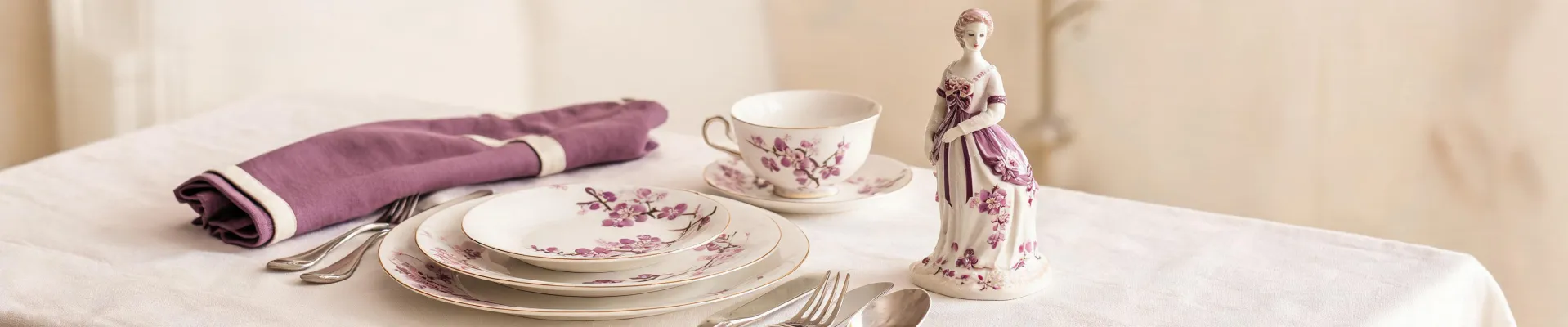
Quick answer: a figurine is a sculpted figure (person, animal, character), usually made to stand on its own. An ornament can be anything decorative—a hanging piece, a small vase, a bowl, even a figurine in some contexts. In Royal Doulton's catalog, 'ornaments' often include vases, eggs, and decorative boxes.
For corporate gift buying, the distinction matters more than you'd think. A figurine is typically more collectible and easier to match to a recipient's interest. An ornament might be a better fit if you're sending something lighter or more stylized. I once ordered 15 'figurines' for a client event and ended up with a mixed box of vases and trinket dishes because I didn't read the category carefully. That was a fun call to the recipient's assistant.
The other difference is the base. Most Royal Doulton figurines come with a velvet-padded base or a clear display stand. Ornaments rarely do. If you're shipping one, budget for extra packing.
3. Are Royal Doulton Christmas plates worth collecting?
It's tempting to think every Royal Doulton Christmas plate will go up in value. Some do. Most don't—at least not enough to make them an investment. That's not a reason to avoid them. It's a reason to buy them because you love the design, not because you expect to sell them later for a profit.
I speak from experience. A few years ago, our office bought a set of annual Christmas plates as client gifts. I had to choose between a retired edition (pricey) and the current year's design (normal price). I went with the retired edition because I figured it was more valuable. It was pretty, but the recipient probably didn't know or care about the backstory. Meanwhile, the current-year plates would have been fine and saved us $800.
If you're buying for yourself, consider what you'll actually display. If you're buying as a gift, the recipient's taste matters more than resale value. That's the truth.
4. How can I tell if a Royal Doulton piece is genuine?
First, use the royal-doulton website to look up backstamps. Royal Doulton has used a lot of different marks since 1815. The modern mark includes a crown and lion, often with 'Royal Doulton' spelled out. Older pieces may have a different crown style, plus text like 'Doulton & Co.' or 'Burslem.'
Second, check the quality. Real bone china is thin, slightly translucent, and rings when you tap it. Reproductions usually feel heavier and look glossy in a cheap way.
Third, think about provenance. If the seller says it's from the 1930s but the backstamp was introduced in the 1950s, that's a red flag. You don't need to be a professional—spend five minutes on their website or email their archival service. I did that once and found out a 'rare' figurine I was about to buy was actually a common pattern from the 1980s. The seller didn't know either.
5. What's bone china and why does Royal Doulton use it?
Bone china is a type of porcelain that includes bone ash in the clay mixture. The typical standard is at least 30% bone ash, which gives the material that warm white color and a slight translucency. Regular porcelain can be white, but it often has a harsher, cooler tint.
Why does Royal Doulton use it? Because it's stronger than standard porcelain while being lighter. That sounds like a contradiction, but it's true. You can make thinner walls and more delicate details without the piece breaking as easily. That's why their figurines can have fine lace-like edges and why the dinnerware stacks so neatly.
One warning: bone china is not dishwasher-safe by default, especially hand-painted pieces. We had a client who put a Royal Doulton mug in the dishwasher and came back to a faded pattern. Check the care card. Every piece has one.
6. What should I know before buying Royal Doulton as a corporate gift?
Here's what I've learned from buying a lot of fine china for offices:
Know your recipient. Do they collect specific lines? Do they even like china? A figurine is a terrible gift for someone with no display space. An ornament might be safer.
Check the box. Royal Doulton pieces come in sturdy, fitted boxes. If the box is missing or worn, that can affect the value—and it makes shipping risky. I once ordered a vase that arrived with a cracked base because the outer box looked fine but the inner compartments hadn't been intact. From that day: I ask sellers to confirm the original packaging.
Budget for shipping. International orders need significant padding. I spent $60 on shipping for a vase once. It arrived perfect. Worth it.
Respect the brand's own rules. Royal Doulton's website mentions that many pieces are hand-finished. That means tiny variations are normal—not defects. If you're giving a gift, don't promise 'perfect'; promise 'beautifully crafted.' Keeps expectations realistic.
7. Are cross stitch and needlepoint the same?
This one feels out of place, but it's a real question our office gets whenever we source embroidered gifts. Short answer: no. Cross stitch uses X-shaped stitches on even-weave fabric, making a pixel-like design. Needlepoint uses tent or continental stitches on canvas, which creates a denser, textured surface.
Why does this matter if you're buying Royal Doulton? It probably doesn't directly. But if you're putting together a gift bundle with a framed ornament or a custom embroidery, you'll want to use the right term. I've called a needlepoint piece 'cross stitch' before and got corrected—politely, but corrected. Cross stitch is finer and typically easier to frame. Needlepoint is more durable and often works better for pillows and upholstery.
So no, they're not the same. They just sit next to each other in craft stores.