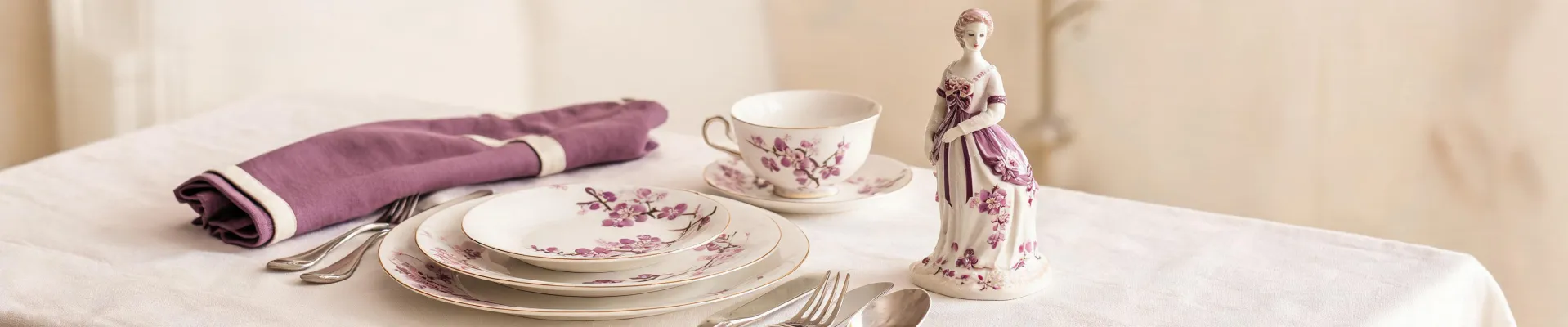
If you are looking into Royal Doulton products for corporate gifts, client appreciation, or even outfitting a high-end break room, it probably didn’t take long to realize there isn’t a single "right" answer on what to buy. A figurine? A tea set? A vase? The best choice depends entirely on who is receiving it and what you are trying to achieve.
I’m a procurement manager. For the last 6 years, I’ve managed our company’s corporate gift budget—about $180,000 in cumulative spending—and negotiated with over 40 vendors. I’ve also documented every single order in our system. So, I’m not here to tell you that one product is better than another. I’m here to help you figure out which product makes sense for your specific situation, using a Total Cost of Ownership (TCO) framework.
The Three Core Scenarios
After tracking dozens of orders, I’ve found that corporate purchasers generally fall into three categories. Knowing which one you are in will save you time, money, and a lot of headaches.
Scenario A: The High-Impact Client Gift
You are buying for a top-tier client or a retiring executive. The goal is not utility—it’s prestige and memorability.
In this case, do not focus on the price tag. Focus on the story and the perceived value. A limited edition Royal Doulton figurine with a known artist signature or a specific historical reference works perfectly. The cost per unit might be high, but your TCO includes the value of the relationship. A memorable gift that sits on someone’s shelf for 20 years is infinitely better than a generic, forgettable one.
My advice: Spend on the collectible end. Look for pieces with a clear provenance. The time you save on not having to "re-gift" is worth a lot.
Scenario B: The Office Environment (Daily Use)
You are buying for a high-end office, a boardroom, or for a team that frequently hosts clients. Here, functionality and durability matter more than the collectible story.
A Royal Doulton everyday dinnerware set or a classic bone china teaset is the smart move. You can buy them in larger quantities without breaking the bank. The key here is to check the dishwasher and microwave safety ratings. I once bought a beautiful set that wasn't dishwasher safe. The cleaning staff cracked three cups in the first month. That’s a hidden cost—a $200 replacement order just a few months after the initial purchase. So, calculate your TCO: the purchase price plus the expected replacement rate over 2-3 years.
My advice: Stick to the core, more durable lines. Prioritize pieces that can handle daily wear and tear. The TCO is way lower here.
Scenario C: The Unique or Creative Touch
Maybe you want to give a gift that is unique but not strictly a collectible. Or maybe you need a centerpiece for a corporate event. This is where a Royal Doulton vase gets interesting.
A high-quality vase is versatile. The recipient can use it, or they can display it. What’s a bit unusual is when people think about how to extract fragrance from flowers at home—they often use a flower press or even oven-dry petals. But they usually miss the point: the vase itself is for display, not for extraction. A beautiful vase encourages the recipient to buy fresh flowers, which is a recurring visual reminder of your gift. The perceived value goes up.
My advice: A crystal vase is a solid choice for a mid-range budget. It feels premium, it’s universally appreciated, and it avoids the risk of giving something that looks like a dust collector. The TCO is low because it’s unlikely to break, and the emotional impact is high.
How to Know Which Scenario You Are In
Here’s a quick decision guide I use during my annual planning:
- Ask: What’s the primary goal? Is it to impress a single important person (Scenario A), provide a high-quality utility item (Scenario B), or give a versatile, thoughtful gift (Scenario C)?
- Check your budget tolerance for risk. If you can’t afford a replacement or a re-gift, stick to Scenario B. If you have a flexible budget for a few big items, go with Scenario A.
- Consider the recipient’s lifestyle. A figurine is useless to someone who hates dusting. A tea set is useless to a coffee drinker. A vase works for almost everyone. To be fair, I’ve seen people argue that a vase is a “default” gift. I get why they might think that—it seems safe. But a well-chosen Royal Doulton vase isn't a default. It’s a statement.
Finally, remember that the cheapest option is almost never the best. A $80 set of mugs that breaks in 6 months has a higher TCO than a $200 teaset that lasts 10 years. Do the math on your timeline, not just the unit price. That’s the difference between a savvy buyer and someone who just spends money.