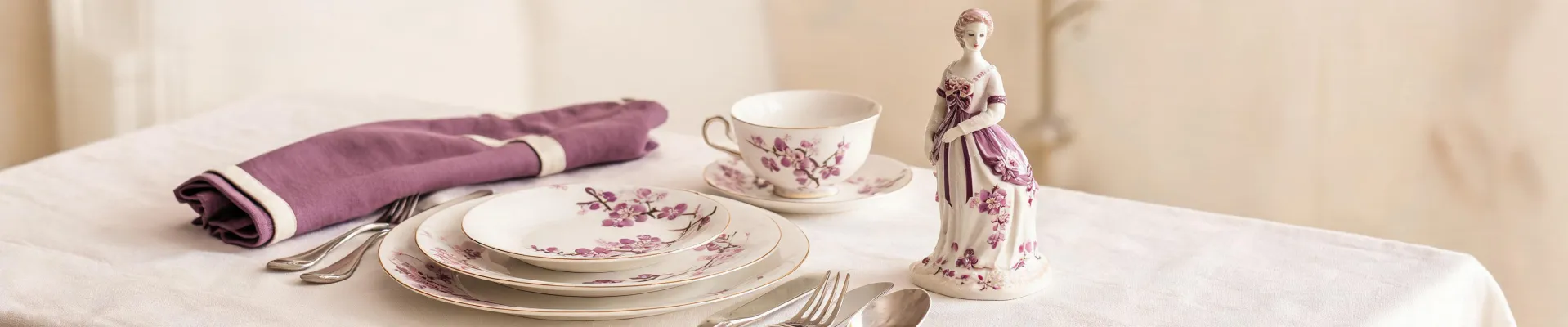
It was a Thursday in March 2024 when the call came in. A woman in Oxfordshire had just exchanged contracts on her late mother's house, and the closing date was eleven days away. Sitting in the dining-room cabinet were dozens of Royal Doulton figurines. Some had been there since the 1960s; others were bought as gifts in the 1990s. She said she was not sentimental about them. She just needed to know the fastest honest way to sell them before the keys changed hands.
I coordinate urgent valuations of china and decorative collectibles for families and estate agents. In nine years I have worked on roughly 200 such jobs, sometimes with a three-day window, and almost always with a client who wants a simple answer. I am not an official Royal Doulton appraiser. I am a dealer with a strong opinion about transparent selling.
When I arrived, the first thing I noticed was the usual contradiction: the cabinet was too crowded to see the pieces properly, but each figure had clearly been cared for. I spent the morning taking them out one at a time, recording the model number, the backstamp condition, any damage, and whether the owner actually remembered who had bought the piece. That final column matters more than people expect. A figure with a family story is different from a figure destined for auction.
Vintage Is Not the Same as Discontinued, and Discontinued Is Not the Same as Rare
The client had heard, as most sellers have, that discontinued Royal Doulton figurines are valuable. The complication is that discontinued only means production stopped. Many Royal Doulton models were made for decades in high numbers. They are no longer in a catalogue, but they are not scarce.
One figure in that cabinet looked older than the others and I felt a small surge of excitement. The shepherdess-style piece had a backstamp that suggested a much earlier origin. But once I checked the model number and compared it with sales history, it became clear the design had remained in production for a very long time. It was old and pretty, but it was not the rare find I first imagined. What draws buyers is a more specific combination: a model with a shorter run, an unusual colourway, a desirable subject, a well-known artist, or a collectible series in strong condition with the original box.
Looking back, I should have asked for sharper close-ups before I got in the car. Given what she had sent, my first guess was too optimistic. The numbers on the bases settled it.
Cash Offers and the Fees Hidden Inside Them
After the inventory, the options were clear. A local dealer made a cash bid for the whole cabinet: £1,950. That came with no commissions, no photographs, no listing fees. If she needed to be out in 48 hours, I would have said yes. But her deadline was just enough for a timed online auction, so we looked at that route instead.
The dealer was not a villain. He was pricing his own risk. The reason I pushed for more transparency was to make sure the seller understood what she was giving up. I asked the dealer what he expected the pieces to fetch at resale. He gave a range. That gave her a real choice: sell everything now at a low but certain price, or pay fees and keep the upside.
My own rule is simple. I ask what is absent from the quoted number before I ask about the price itself. That phrase has saved clients more than once. An auctioneer may quote a 22 percent seller commission plus insurance. A dealer may pay cash but set the offer low enough to cover months of unsold stock. Both can be fair. The problem is when a fee appears only after you have agreed.
We chose a specialist auction with transparent terms. The figures went into an online timed sale so that buyers outside the UK could bid. I marked realistic reserve prices based on completed sales from the previous quarter, not on asking prices.
The Scented Candle Detail Nobody Notices
There was one practical detail that mattered more than I expected. In the client's first photographs, a scented candle stood on the shelf below the figurines. A candle flame does not touch the porcelain, but perfumed candles release oily smoke and soot. Over time that residue settles on the china and creates a dull film that only shows up when light hits it at an angle. We gently cleaned the pieces and evaluated them away from any candles. If you are preparing Royal Doulton china for sale, take the scented candles out of the room first. It makes a real difference to how the glaze reads in photos.
In the same cabinet was a cut crystal ornament from the 1980s. It was not made by Royal Doulton, but it had been kept with the china because it caught the light. It did not belong in the Royal Doulton lots. Mixing a crystal ornament into a china auction can confuse buyers and lower the bid. I advised her to keep it, sell it separately, or find a place for it in her new home. She laughed and said her daughter had already asked for it. That was another lesson: sentimental value is real value.
The Turn Into the Window
Then came the surprise. Two pieces I had not expected much from sold in the final hours of the auction. One small figure with a repaired base went to a collector who was restoring the same model. A second piece, which I had marked as a slow mover, went to a buyer in Australia at more than twice its estimate. The market does not always follow the obvious logic.
There was one casualty. A Royal Doulton figure had been knocked over years ago and a previous repair was visible. There was no box, no paperwork, and no realistic chance it would meet the auction reserve. I put it aside and told her the honest truth: a badly repaired figure will usually sell below the cost of shipping.
She asked if she could keep it and turn it into a window ornament. She had seen an online tutorial about how to make a suncatcher with glue. Honestly, that is a better afterlife for a damaged figurine than pretending it is a hidden gem. There is nothing complicated about how to make a suncatcher with glue: you arrange small flat porcelain fragments on a clear glass blank or window film, apply a thin layer of craft glue or UV resin, and let it cure fully. If you want extra sparkle, a cracked crystal ornament can be added as a clear accent. The result is not a selling strategy. It is a way to keep a damaged treasure near the light instead of sending it to landfill.
What Actually Happened
On the ninth day, the online auction closed. The Royal Doulton lots sold for a hammer total of £7,140. After the seller's commission and insurance, the client received £5,472. The local cash offer had been £1,950. She also kept one figure, the one that had belonged to her grandmother, and the house sale closed on schedule.
These numbers are from March 2024. The market moves, so I would not use them for a decision made later in the year. What does not move is the structure of the lesson: know what a buyer is including in the offer, ask what fees come out, and do not call a discontinued figure rare until you have checked how long that model was in production.
The pieces that taught me the most were not the ones with the highest prices. They were the damaged figurine that became a handmade window charm and the crystal ornament that stayed in the family. Selling Royal Doulton figurines well is not just about inventory. It is about being honest about condition, honest about value, and honest about the difference between a quick bid and a fair sale.