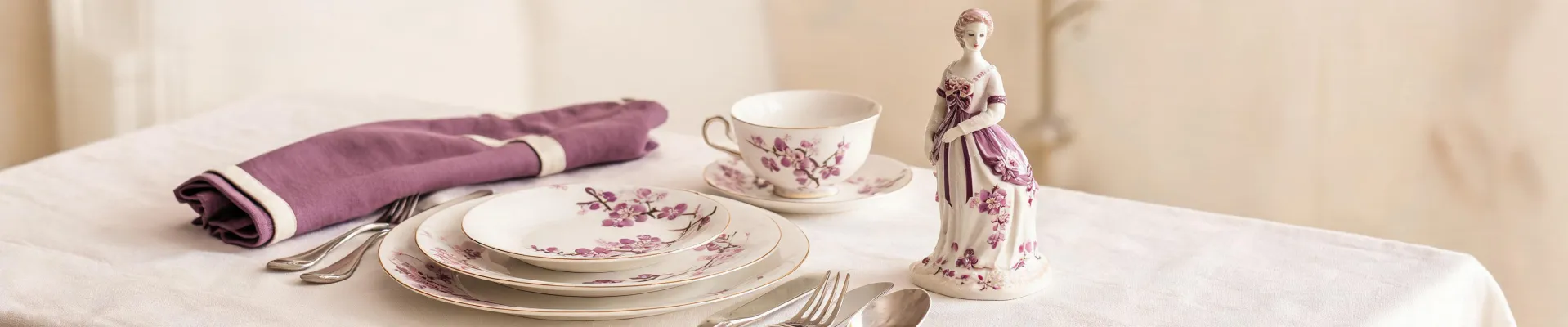
The 36-hour problem
In March 2024, a client called at 11 a.m. needing a retirement gift for a managing director — 36 hours before the ceremony. Normal lead time for a decent engraved piece was five business days. We found a vendor willing to meet us at the airport, paid $140 in rush fees on top of a $380 base cost, and got a crystal decanter to the venue with six hours to spare.
That decanter was beautiful. I remember unpacking it. I also remember the director's assistant later describing it as "the drink thing on the shelf."
That's when I started noticing a pattern. In nine years of coordinating corporate gifts and event orders — more than 200 rush jobs, maybe 230, I'd have to check the system — the problem was never the deadline. The problem was that we'd spent all our energy on speed and none on meaning.
Most gift-buying advice gets this backwards. People think they have a logistics problem. They don't. They have a thinking problem.
The mistake I keep seeing
The most frustrating part of my job isn't the late-night vendor calls. It's watching clients make the same conceptual error over and over: treating a gift decision like an availability check. What can arrive by Friday? What's in stock? What fits the budget line?
None of those questions tell you anything about whether the person will still have that object in ten years.
Cheap doesn't mean inexpensive, by the way. Let me be blunt: that $30 desk ornament will be in a landfill in 18 months — that's not my opinion, that's the life cycle of acrylic and glue. A $250 Royal Doulton piece, if you don't drop it, will outlive the recipient. Bone china, by British standard, contains at least 30% bone ash. That's why it's whiter, lighter, and harder to chip than regular porcelain. My grandmother bought her Old Country Roses tea set — that pattern launched in 1962 — and those pieces are still in one piece today. Sixty-plus years of tea. That's not sentimentality; that's materials.
The same logic applies to the Royal Doulton figurines Lisa line. The classic ones were designed by Leslie Harradine in the 1960s. I don't have hard data on the secondary market, but I remember a Lisa figure selling at auction in April 2023 for roughly ten times what it retailed for in the sixties. Ten times. And the buyer's granddaughter was the one bidding. That's not speculation; that's what happens when something is made with a human hand in the loop.
A lot of people assume this is about "collector value." It's not. It's about the fact that some objects carry intention. You can feel it when you hold them. You cannot rush that into existence.
The real cost of a forgettable gift
Let's do the math nobody does.
A $40 plastic ornament, replaced every two years because it breaks or looks dated: $20 per year over a thirty-year career of gift-giving. A $280 Royal Doulton crystal vase, bought once, still on the shelf at year thirty: $9.33 per year. And one of those is a statement about your judgment; the other is a reminder that you grabbed whatever was cheapest.
That's the dimension people lose in the panic. The visible cost is the invoice. The hidden cost — the "bad impression" tax — gets paid by whoever's name is on the card. (Should mention: I'm not saying buy the most expensive thing you can find. I'm saying buy the thing that costs the same but was designed to last.)
I still kick myself for a $60 commemorative plaque I signed off on in 2022. It was for a CFO who'd spent 28 years at the firm. The plaque was laser-engraved MDF. It cost less than the lunch I had afterwards. The CFO was gracious about it, then left it on his desk when he cleaned it out — I saw it in the bin on the way to the elevator.
That was the moment I made a policy change: no more "acceptable" gifts. If it doesn't survive the decade, it doesn't survive my review process. It's been a better policy, and it's saved us money in re-purchases.
What I actually recommend
I'm not going to give you a list of eleven products. That's not how good decisions work. Here's the principle: buy one thing that took a human being actual time to make, from a lineage that's been doing it for generations. Royal Doulton has been at it since 1815 — they're allowed to be old and modern at the same time.
I keep a Royal Doulton figurines Lisa in my office, not because it's the rarest, but because it's the one that makes people stop. They pick it up, turn it, notice the eyes. The early Lisa pieces carry brushwork you can see with the naked eye, and that visible human touch is the whole point.
The Royal Doulton crystal vases are where I send corporate clients. A wide, heavy vase with cut bases catches evening light. On a desk, it doesn't scream "corporate gift," it whispers "we thought about this." I wish I'd kept a photo of one client's shelf — the vase is still there, holding flowers, two years later.
For couples, the bone china tea set is the gift that keeps making moments happen. It's not decoration. A tea set is a mechanism for sitting down, pouring, and talking. That's increasingly rare, and that's exactly why it's worth the money.
Small investment, permanent fixture
These objects need a context. A Royal Doulton vase surrounded by clutter is wasted. Put it where the light hits, near a candle, in a room that smells like something better than last night's takeaway.
That sounds like a lifestyle essay, but the cost of doing this properly is nearly nothing. A decent candle runs $25 to $35 and burns for about 40 hours. There's a cheaper alternative that works just as well: homemade reed diffusers. For anyone who's looked up "how to make homemade reed diffuser" — it's four ingredients. Carrier oil (safflower or fractionated coconut), a tablespoon of rubbing alcohol, ten to twelve drops of essential oil, and reed sticks in any bottle you like. Let the sticks soak for two hours, flip them once a week. The setup costs about $12 and lasts three months. A comparable candle burns down in six evenings.
That's the same logic that made me choose the Royal Doulton crystal vase over the $90 knockoff: the cost per year is lower, but only if the object is good enough to keep in the light.
To be clear, this is my context. I buy for corporate clients and family milestones. If you're buying for a nineteen-year-old who wants concert tickets, buy the concert tickets. But if you're buying for people who "have everything," they don't. They have a lot of things. What they're missing is something that makes them slow down.
The next time you're 36 hours from a deadline and the easy purchase is staring at you from a browser tab, ask one question: will anyone remember this in ten years?
If the answer is no, the rush isn't the problem. The choice is.