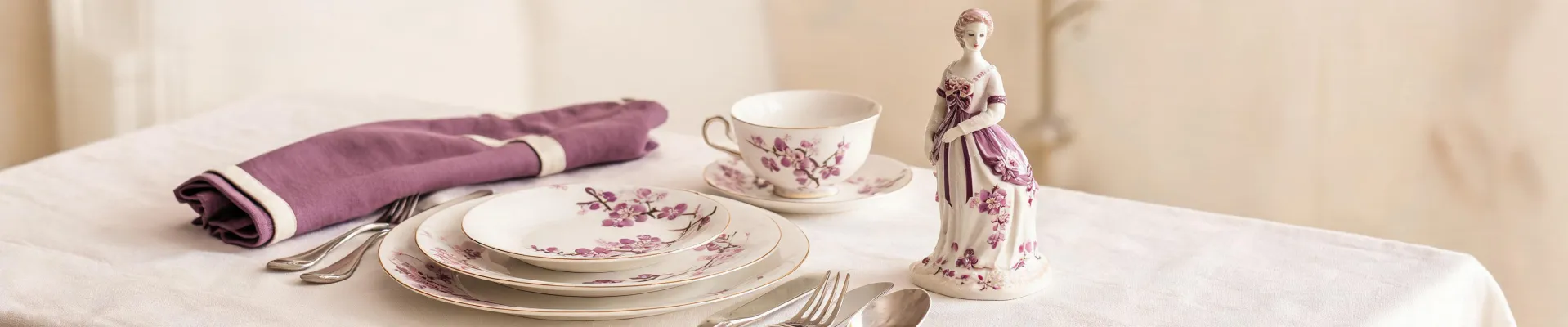
Royal Doulton figurines value starts with inspection, not with a price list. I have spent almost four years working as a quality inspector for ceramics and giftware, reviewing around 200+ individual pieces each year. In that role, I have learned to be suspicious of any “most valuable Royal Doulton figurines price list” that appears before the object itself has been checked. A list tells you what a seller hopes to receive. It does not tell you whether the piece in your hands is real, original, damaged, repaired, or from a different era. In my opinion, the order matters: inspect first, estimate second, and only then compare with a list.
The same logic matters for collectors, gift buyers, and even for someone sorting through inherited ornaments. The most expensive mistake I catch is not overpaying. It is skipping the physical check altogether. A 5-minute inspection is cheaper than a 5-day return process, and it is a lot less embarrassing.
Why the “most valuable” price lists mislead
Most collectors start with a search. They type “most valuable Royal Doulton figurines price list” into a browser, find a model name, and then assume the number is the value. The problem is that most ranked lists are built from online listings, not from confirmed sales. A listing is an ask. It is not market data. If a rare model changes hands only a few times a year, the “list price” can float far above what a sensible buyer will pay. I'd argue that a description like “rare” says little about condition, and condition is where the real money is decided.
In my first year of inspecting, I made the classic newbie error: I evaluated a Royal Doulton piece by its model number only. The number matched an online reference, and the guide showed a four-figure value. But I hadn't looked at the object carefully enough. When I finally placed it under good light, I saw a re-painted hand and a hairline crack near the base. The figurine was worth a fraction of the guide's price. I learned that lesson the hard way, and now my rule is simple: inspect the item before you believe the list.
Authenticity first: backstamps, HN numbers, and condition
If you pick up a Royal Doulton figurine, start with the backstamp. The printed or impressed mark, the HN mould number, the typography and its position—all of these vary with the factory era. You do not need to memorise every version. You simply need to compare the mark with a trusted reference and confirm that the finish matches the rest of the piece. A scratched-out number, a too-shiny label on an old glaze, or an oddly placed crown mark should stop the sale until you know more.
Then look at the condition. I use a small checklist:
- The glaze: check for hairline cracks, crazing, or chips along the base and edges.
- The attachments: check flowers, hands, and loose parts for glue or fresh breaks.
- The painted detail: check the face and the trim for heavy repainting.
- The base ring: check whether the original finish has been touched up in a clumsy way.
Condition does not simply adjust the price. It can change the price by a large multiple. A common model in perfect original condition can be worth far more than a rare model in poor shape. That is the opposite of what online price lists suggest.
I understand why repair happens. Old porcelain gets chipped, and a beautiful display piece deserves another chapter. But when the repair is undisclosed, it moves the price by hundreds of dollars—and it moves the trust too. In my work, an honest chip is easier to accept than a hidden repair.
Nativity set and holiday figurines: why inspection becomes even more important
The holiday buying season brings another flood of searches for “nativity set” and “figurine.” A complete nativity scene is made of several small pieces, and the absence of one piece can destroy the value of a set that is otherwise in perfect condition. I have checked ceramic nativity sets where the central figure was missing but the listing still called the collection complete. The buyer has to sort it out after purchase. If they had inspected first, they would have seen the gap in five minutes.
Holiday gift buyers should do the same: check the piece before wrapping it. If you are choosing a figurine for a gift, the condition of the porcelain is part of the gift. A restored piece with a hidden break is not as meaningful as an honest one that has been well looked after.
The homemade snow globe question and the second life of old porcelain
One search that appears every winter is “how do you make a homemade snow globe.” It is not a fine china topic, but it shows up next to figurines enough that I want to add a quality check. People take a small ceramic figurine, glue it inside a glass jar, add glycerin and glitter, and then seal it. That can be a lovely project for a damaged or a common figurine.
But please check before you craft. There was a genuinely collectible porcelain figurine that someone glued into a DIY snow globe, hiding the base and the original mark forever. If the piece is rare or old, that is a loss to the collection. If it is already cracked or chipped, a snow globe is a better ending than the rubbish bin.
What about price guides and auction records?
I hear the objection: “Should we not trust the price guides?” Use them, yes, but treat them as one source, not as the final verdict. Roughly speaking, the secondary market in early 2025 looks like this: common Royal Doulton figurines in good original condition tend to sit around $40 to $120; popular mid-tier models run from $150 to $600; rare or large display pieces can exceed $1,000. Don't hold me to those exact numbers because the market changes and prices differ by channel. The important curve is this: actual sales, not asking prices, give you a fair gauge. The price list should not be the thing that tells you whether the piece in front of you is worth owning.
Five minutes of inspection beats five days of buyer's regret.
So here is my final point: Royal Doulton figurines value is not a fixed number on a list. It is a judgment you make after you have checked the piece. Start with the backstamp, then look at the condition, then consult the guides. The list can confirm the value; only inspection can protect it.