-
Why I'm the person making this call
-
The “Royal Doulton figurines blue dress” search, explained
-
Bone china royal doulton: the translucency test
-
What I check in a Royal Doulton vase
-
Glass figurines: weight, joints, and packing
-
What is a scented candle? (And why I inspect those too)
-
When this checklist doesn't apply
-
Prevention beats returns
Most Royal Doulton problems I see aren't visible in product photos. They show up later—a hairline crack in the glaze, a chip on the base of a bone china teaset, a blue dress figurine with a firing flaw hidden under the hem. After reviewing roughly 2,000 giftware items a month for four years, my conclusion is simple: check the underside before you check the face. When I say “underside,” I do not mean a glance at the price sticker. I mean turning the piece over and looking at the foot, the glaze, and the backstamp—because the base tells you more than the front ever will.
Why I'm the person making this call
I'm a quality and brand compliance manager for a giftware company that carries Royal Doulton and other premium brands. My team inspects every delivery before it goes on the shelf. In Q1 2024 alone, I rejected 3.7% of first deliveries because of glaze flaws, transit cracks, or off-spec packaging. That number sounds small. It saved more hours than it cost. When I say “rejected,” I do not mean the whole shipment failed—I mean specific pieces failed the standard.
My experience is based on roughly 200 vendor shipments in the mid-premium giftware market. If you're buying ultra-rare vintage pieces from the 1930s, your checklist needs to be different. I'll come back to that.
The “Royal Doulton figurines blue dress” search, explained
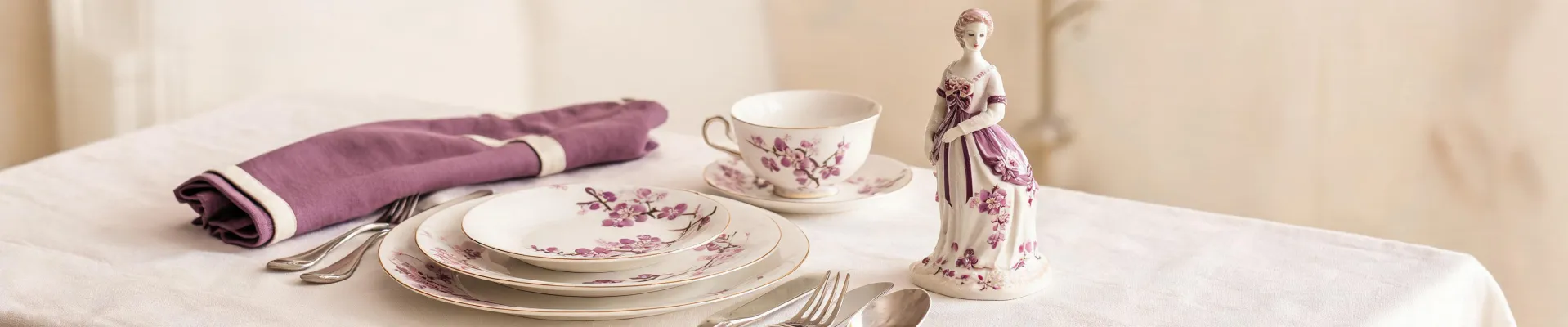
The search phrase “royal doulton figurines blue dress” shows up in our analytics all the time. It's not one official figurine. It's a category: Royal Doulton figurines that are sculpted in or painted with blue dresses. Some are part of numbered series; others are standalone pieces. If you're searching for one, you'll want a good photo of the face, but I want the bottom first.
Here's what I check on a blue dress figurine:
- Color consistency. The blue should be even across the skirt and sleeves. Blue that looks patchy under showroom light usually means a bad firing batch.
- Seam lines. A vertical seam down the face or arm means the mold wasn't cleaned between casts.
- Base glaze. If the underside has no glaze or a rough chip, the piece was likely dropped, not made that way.
- Painted details. Eyes and lace should be crisp. Sloppy eyeliner is the earliest sign of a rushed decorator.
When you buy online, ask the seller for a photo of the base and the back. A genuine Royal Doulton figurine will have a backstamp with the model name and number. If the seller avoids the underside, that's a red flag.
Bone china royal doulton: the translucency test
Royal Doulton's published heritage dates the company to 1815. That heritage matters because “bone china royal doulton” isn't just a phrase collectors type. It refers to a specific material standard. English fine bone china traditionally contains a minimum of 35% bone ash. That mineral content gives it a warm ivory tone and a surprisingly high strength-to-weight ratio. In quality work, we use the term “translucency”: hold a rim of a cup up to a light source, and you should see a soft glow. This is where my standard answer feels backwards: translucency is a sign of quality, not a sign of thinness.
I've had customers worry that a bone china teaset looks “too see-through.” It isn't. The glow is from the bone ash, and it's the same property that makes the material chip less than ordinary porcelain. “Bone china” is a spec, not a description.
What I look for on a Royal Doulton teaset: no tiny chips on the foot of each cup, no rough spots on the lid rim, and a teapot that doesn't wobble when empty. The 12-point checklist I created after my third mistake has saved us an estimated $8,000 in potential returns. 5 minutes of verification beats 5 days of correction.
What I check in a Royal Doulton vase
Vases are deceptive because they're simple. A vase can look perfect on the outside and still be a reject: the rim might be uneven, the foot might be unglazed, or the inside might have pooled glaze that will crack after the first wash.
My rule for vases:
- Place the vase on a flat surface and press down gently on one side. It shouldn't rock.
- Run your finger around the rim. If it catches, the grinding wasn't finished.
- Look at the foot ring. Royal Doulton vases, like most quality ceramics, should have a ground, polished foot—not a sharp, jagged edge.
In Q1 2024, I flagged a batch of 300 blue vases. My gut said the glaze was duller than the approved sample. The spectrophotometer said the color was within tolerance. I ran a side-by-side under the showroom lights, and nine out of ten staff picked the original. We rejected the run. That decision cost three weeks of delay and saved a larger disaster later: the buyer's event would have had 300 visibly mismatched vases.
That's the part I want you to understand. I check for quality, but I also check for consistency between pieces. A single good vase is easy. A table full of matching vases is harder.
Glass figurines: weight, joints, and packing
A glass figurine is a different problem. With ceramics, you're looking at glaze and seams. With glass, you're looking at stress points. I check the base weight (glass figures need a solid foot to avoid tipping), the joint where the figure meets the base, and for bubbles in the thickest parts—not because bubbles are bad, but because large trapped bubbles at a stress point can crack later.
I also check packaging before I check the product. A glass figurine that arrives in loose foam will develop tiny abrasions in transit, even if it doesn't arrive broken. Looking back, I should have specified a foam-nest abrasion test in our first glass order. At the time, the vendor's dip test passed. It wasn't until we saw the micro-scratches under a strong light that we realized the packaging was the problem. That lesson became a permanent part of our spec.
What is a scented candle? (And why I inspect those too)
Because I work in giftware, the simplest search that brings people to us is often “what is a scented candle.” Let's answer it directly: a scented candle is a candle with fragrance oil mixed into the wax. No more, no less. The quality difference is in the wax blend, the amount of fragrance, and the wick.
I'm not a perfumer, so I can't walk you through top notes and dry-down. What I can tell you from a receiving-dock perspective is what to check in any candle you plan to keep for longer than a month:
- Wick centering. If the wick isn't centered, the candle will tunnel and waste wax.
- Surface cracks or sinkholes. These usually mean the wax was poured at the wrong temperature.
- Fragrance load. I don't know the exact percentage in every candle, but a candle that only smells good close to the jar has too little oil. A candle that smells good from across the room after the first hour is probably a safe bet.
Why put a scented candle next to a Royal Doulton vase or bone china teaset? Because a gift box should be a full experience, not just an object. A candle costs less than the ceramics, but it makes the unwrapping moment feel intentional. Many corporate buyers pair a vase with a candle for a promotional gift that doesn't require wrapping fragile porcelain in three layers of bubble wrap. (I still recommend bubble wrap for shipping.)
When this checklist doesn't apply
I said I'd come back to the edge cases. Here they are.
First, I'm not an appraiser. I don't estimate collector values, and I can't promise that a limited-edition Royal Doulton figure will appreciate. Some pieces do; many don't. If you're buying as an investment, get a written appraisal before you buy, not after.
Second, I'm not a ceramics historian. I know enough about Royal Doulton backstamps to spot a 20th-century mark, but authentication of rare early pieces should be left to specialists. My quality checklist helps you avoid buying a damaged new piece; it is not a certificate of authenticity.
Third, my sample is mid-premium giftware shipments, not the auction market. If you're hunting for a specific blue dress figurine from 1950, your criteria are about rarity and condition, not the everyday production flaws I see. That's a different game.
Prevention beats returns
5 minutes of verification beats 5 days of correction.
I've lived that for four years and roughly 96,000 inspections. It's true for products, and it's true for the way you buy them. Check the underside. Ask for the extra photo. Test the rim. Look for consistency. If something feels off, slow down.
As of January 2025, this is still the checklist I rely on. It isn't glamorous. It doesn't sell many figurines. But it has stopped more returns than any marketing copy I've ever written. That's what I'd want you to know before you buy a Royal Doulton piece sight unseen: the best part isn't the front. It's the part you're told not to look at.