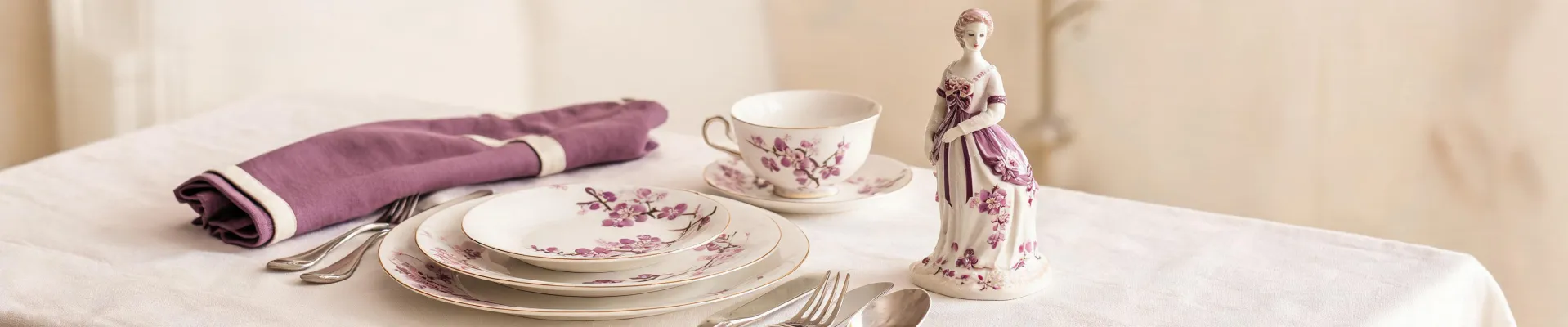
March 2023. I was standing in our warehouse with 18 boxes, a $4,800 invoice, and a client on speakerphone asking why half the pieces looked like glass animals instead of the fine china figurines we'd promised. Actually, she didn't ask why. She said, 'I thought Royal Doulton was fine china. Is bone china ceramic?' I said yes. Then I looked at the order line and realized I'd also ordered a set of glass figurines from the same catalogue. That little pause on the phone told her everything.
Before you think I'm an idiot, let me be clear: I've been handling corporate gift orders for nine years. I've personally made (and documented) 14 significant mistakes, totaling roughly $12,800 in wasted budget. This was number nine. I now maintain our team's ordering checklist to prevent the next one.
The Order That Started It
A regional law firm asked us for 18 retirement gifts. The partner retiring had a spouse who collected Royal Doulton figurines, so the client wanted something from that brand. It wasn't a hard sell. Royal Doulton has been around for more than 200 years, and when someone mentions fine china, it's usually one of the first names they trust.
If you've ever searched 'who buys Royal Doulton figurines,' you've probably seen two or three answers. In my experience, the real list includes corporate gift buyers like me, collectors hunting specific model numbers, families replacing a broken heirloom, and people who just received one and want to know what it's worth. The stereotype of the elderly collector is not the whole story. Some of the most serious buyers I've met are younger professionals buying for clients or for their own shelves.
That's why the order was a no-brainer at first. I knew Royal Doulton was safe. I didn't know the material catalogue.
Where I Went Wrong
The Royal Doulton vases catalogue on the website is organized by collection, not by material. You'll see fine bone china vases next to crystal and glass pieces. The product pages usually list the material somewhere below the image, but the collection thumbnails don't. So when a client sent me a screenshot of a vase from the Royal Doulton vases catalogue and wrote 'fine china' under it, I assumed the whole collection was fine china.
I placed an order for 18 gifts: 12 Royal Doulton figurines from the bone china line, and 6 pieces from what I thought was the matching vase collection. In my head, all 18 were fine china. On the cart screen, one line item said 'crystal glass figurine set.' I read 'glass figurine' and my brain translated it as 'fancy, probably still fine china.' That was not fine. (Surprise, surprise.)
The Phone Call
The client called the morning the order arrived. She'd opened one of the glass boxes first. 'I thought Royal Doulton was fine china,' she said. 'Is bone china ceramic?' The answer to that specific question is yes. Bone china is a ceramic material. It is a type of porcelain that contains bone ash. But the question she was really asking was, 'Are these all the same material?' The answer was no.
I told her I'd fix it. Then I went through the order line by line and saw my mistake: the glass figurines were from a separate crystal collection. They weren't damaged. They weren't ugly. They were just not what the client had approved. In the gift business, that's a deal-breaker.
I still kick myself for not spending five minutes checking the material field before submitting. Five minutes of verification beats five days of correction. I've said that sentence to every new hire since.
The Costly Difference Between Bone China and Glass
Let's clear up the terminology, because this is where I was embarrassingly sloppy:
Fine china is a broad term for high-quality porcelain and bone china dinnerware and decorative pieces. Bone china is a specific type of fine china. Under the old British Standard 5410, true bone china had to contain at least 30% bone ash in the ceramic body. That bone ash is what gives it the translucent, slightly ivory look and that distinctive ring when tapped. So yes: bone china is ceramic.
(The commonly quoted industry spec is still 30% bone ash as the practical threshold. Royal Doulton's fine bone china body has always been known for that kind of translucency—it's part of the appeal.)
Glass is not ceramic in the way people mean it. Glass is made by melting silica and then cooling it into a non-crystalline solid. Ceramic objects like bone china are shaped from clay and other minerals and fired in a kiln. In materials science, someone might argue that glass belongs in a broader ceramic family. If you're ordering gifts from the Royal Doulton vases catalogue, that argument doesn't help. A glass figurine is not a bone china figurine, it won't match the set, and it shouldn't be described as fine china.
The practical rule: if it doesn't come from clay, it's not ceramic. If it's translucent because of the glass body rather than the porcelain body, it's glass. Both can live in the same catalogue. That doesn't mean they belong in the same order.
What the Checklist Looks Like Now
After that order, I built a 12-point checklist for every premium gift shipment. The three lines that would have saved me are:
- Material line: confirm every product is marked 'fine bone china,' 'porcelain,' 'stoneware,' 'crystal,' or 'glass.' Do not trust the collection name.
- Product code and image: match the product code in the Royal Doulton vases catalogue to the exact picture on the order form. If the description says 'glass figurine,' treat that as a red flag if you expected ceramic.
- Client confirmation: send a one-line approval that states the material. If the client says 'fine china,' make sure the purchase order agrees.
We've used that checklist on 70+ Royal Doulton orders since. It has caught 17 potential mismatches, including three glass pieces that would have gone out as bone china. Estimated savings: about $16,200 in redo costs, plus a few awkward apology calls that didn't happen.
There's something satisfying about sending an order when every material line on the checklist matches. After the stress of that March 2023 phone call, seeing a clean spec sheet is a quiet little victory.
The deeper lesson was about the brand itself. People sometimes think Royal Doulton is expensive because of the name. It's usually the other way around: the name matters because they've held the material standard for over two centuries. Once I understood the material difference, I stopped treating 'Royal Doulton' as the only relevant information.
One last thing: buy Royal Doulton because the craftsmanship and design mean something to the recipient. Not because a limited edition might go up in value. Some pieces do, plenty don't, and nobody can guarantee appreciation.
So, who actually buys Royal Doulton figurines? People who want a physical connection to a craft that has been around for generations. They buy them as retirement gifts, anniversary presents, milestone awards, and replacements for pieces that broke. They buy them because they know the material difference—or because they trust someone who should. If you're the buyer, don't be the someone who lets them down.
And if you're reading this because you typed 'is bone china ceramic' into a search bar: yes. Bone china is ceramic. Just don't assume every glass figurine in a Royal Doulton catalogue is fine china, because that assumption cost me $1,020 in expedited shipping, a discount I didn't need to give, and the kind of lesson you only learn out loud.